- For
- Skin renewal and hair
- Form
- Topical serum/cream (injectable off-label)
- Dose
- 1-2% topical, twice daily
- Cycle
- Ongoing, like skincare
- Safety
- Avoid with Wilson disease or copper allergy
- Legal
- Cosmetic ingredient (topical); research peptide injected
Bottom line: A copper peptide with real evidence for skin in topical creams, and thinner evidence injected. Topical is the low-risk place to start.
Safety at a glance
- Status: Topical sold OTC; injectable use is not FDA-approved.
- Evidence: Topical: real human studies. Injectable: animal + anecdote.
- Do not use if: you are considering injectable or systemic use without a doctor - copper overload is the theoretical risk.
- Not medical advice - decide this with a licensed physician.
What it does - plain English
GHK-Cu is a tripeptide (a peptide made of three amino acids - the smallest possible peptide chain) bound to a copper atom. Your body makes it naturally; levels drop sharply as you age. In skin, it stimulates collagen and elastin production (the proteins that keep skin firm and elastic), accelerates wound healing, and reduces oxidative damage. The skincare industry has used GHK-Cu in serums for decades.
The biohacker community uses it as an injectable for hair regrowth and connective-tissue repair. The human evidence for injectable use is much thinner than the topical evidence. Those are two different use cases with two different evidence bases, and it matters which one you're evaluating.
What people use it for
An A-tier copper peptide, mostly used topically. Where people use it:
Status
A-tier topical. B-tier injectable. The topical literature is solid: peer-reviewed papers show measurable improvements in skin firmness, fine lines, and wound healing. The injectable literature is mostly extrapolation from animal models and Pickart's lab work from the 1990s onward.
If you're choosing one form, topical is the safer evidence-based bet. If you're injecting, you're in research-peptide territory. Go in with eyes open about what the evidence actually says.
Legal status
Topical formulations are widely available over the counter. Skincare brands sell them. No prescription needed.
Injectable GHK-Cu is not FDA-approved for human use. It sits in the same research-peptide gray zone as BPC-157. Compounding pharmacies dispense injectable forms with a prescription in some states. Outside of that path, you're in research-vendor territory with the same caveats that apply to any unregulated peptide.
Where to buy it
Three real ways to buy GHK-Cu, side by side. Two are over-the-counter topicals you can use today. The third is a research-grade vial for the injectable route. Here is the honest trade-off, including where we earn a commission and where we don't.
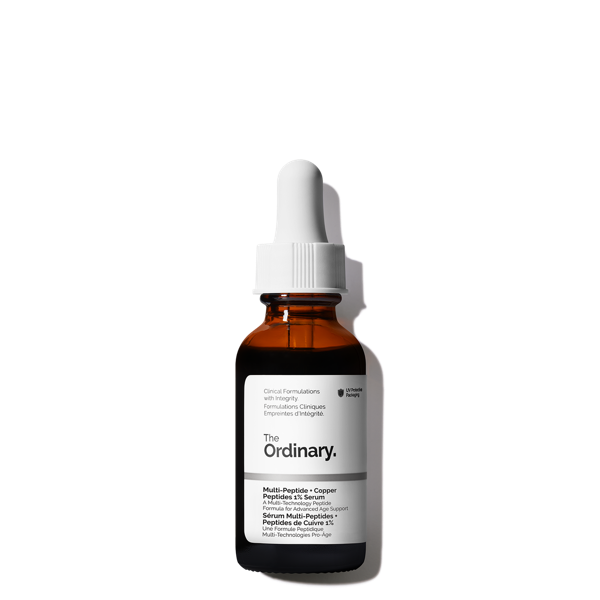
OTC topical · easiest
The Ordinary Multi-Peptide + Copper Peptides 1%
About $32 / 30 ml
- Cheapest way in, ships with Prime
- 1% copper peptide complex, GHK-Cu blended in
- A blend, not standalone GHK-Cu
- Cosmetic strength, results show over months
Affiliate link
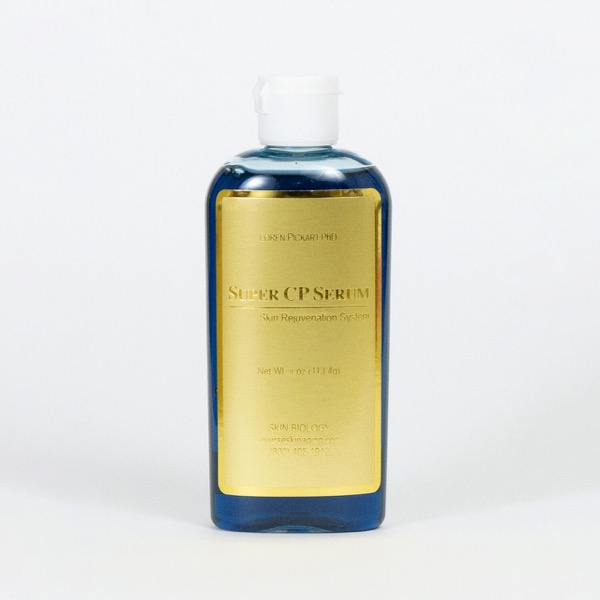
OTC topical · the original
Skin Biology Super CP Serum
$34.00 / 1 oz
- From Dr. Pickart, who discovered GHK-Cu
- Finished topical, decades-long track record
- Strength shown on a 1–28 scale, not a clear %
- Dated storefront, slower checkout
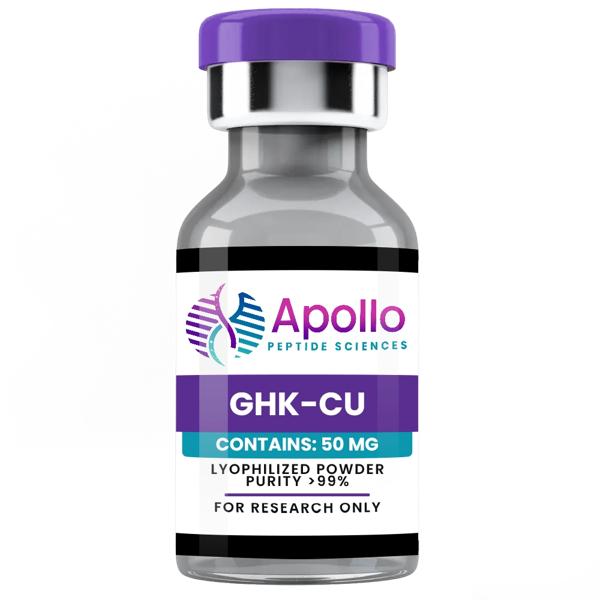
Research vial · injectable route
Apollo Peptide Sciences GHK-Cu 50 mg
$50.00 / 50 mg vial
Research use only. Not FDA approved.
- Research-grade vial, fair at about $1/mg
- You control the reconstitution and dose
- Purity % not published, you mix it yourself
- No prescriber, no pharmacy backing
Affiliate link
If you are choosing for skin, start with a topical. The injectable route is research territory. Either way, skip any vendor that won't show a Certificate of Analysis. Full affiliate disclosure, and the dosing math is on the GHK-Cu dosing page.
New to peptides? Start with the foundations ->
Two studies worth reading
The foundational topical paper
Pickart & Margolina, International Journal of Molecular Sciences
A review covering decades of GHK-Cu research including the 2010 gene-expression analysis showing it modulates over 4,000 human genes. The paper that explains why a tripeptide can do so many seemingly unrelated things.
Skin-firming clinical evidence
Finkey et al., Cosmeceuticals and Active Cosmetics
Clinical evidence for GHK-Cu's effects on aging skin: increased collagen production, improved skin density, reduced fine lines after 12 weeks of topical use. The reason high-end serums with copper peptides cost what they cost.
Watch: Huberman on peptides (June 2026)
GHK-Cu is one of the better-characterized peptides in the June 2026 episode - copper-driven collagen and tissue remodeling, plus the topical-with-red-light-therapy combination for skin. A measured read on where the evidence is actually solid.
Source: Huberman Lab - Peptides: The Science, Uses & Safety (Dr. Abud Bakri). See our full decode of what he says about every peptide.
Last reviewed · 2026·06·04 · Status reviewed weekly